The short answer
Yes, most of a flat can go smart without new cable runs or broken plaster. For a few rooms, Wi-Fi devices such as the Spark WT-50-B touch switch connect to your router with no hub. For the whole flat, Zigbee switches join the Hub-Z gateway or a Spark control panel. Add an IR remote for the split AC and a lock that fits your door.
On this page
Can you make an apartment smart without rewiring?
Yes, for most of what people want in a flat. You can't easily run new cables through a finished apartment's walls, and if you rent, breaking plaster is out of the question. The main parts of a smart home use the wall boxes already there, or need no wiring at all:
- No wiring. An infrared remote for the split AC, and a battery-powered smart lock in place of the old one, if the door suits it.
- A socket nearby. A curtain motor that plugs into an outlet near the window.
- The existing wall box. Smart switches in place of the old ones, or modules behind the switches you keep.
- Outside your door. The intercom, the roof tank and the entrance are shared, so you plan them with the building.
So "without rewiring" is realistic; "without an electrician" is not. Anything that touches mains wiring, even inside an existing box, is a job for a qualified electrician.
Wi-Fi or Zigbee: which suits a smart apartment?
Choose Wi-Fi for a few rooms and Zigbee for the whole flat. Wi-Fi devices connect straight to your router, so two or three smart rooms need nothing else. Zigbee devices join their own network through a gateway.
Wi-Fi, no hub. The WT-50-B connects to your home Wi-Fi, and Spark's Wi-Fi switch modules use 2.4 GHz Wi-Fi. The IR remote and the curtain motors also come in Wi-Fi versions.
Zigbee, through a gateway. The Hub-Z brings compatible Tuya Zigbee switches, sensors, curtains and thermostats into the Tuya Smart app, keeps them off your router's Wi-Fi, and runs local scenes between them when the internet is down. Its Ethernet version supports up to 128 sub-devices.
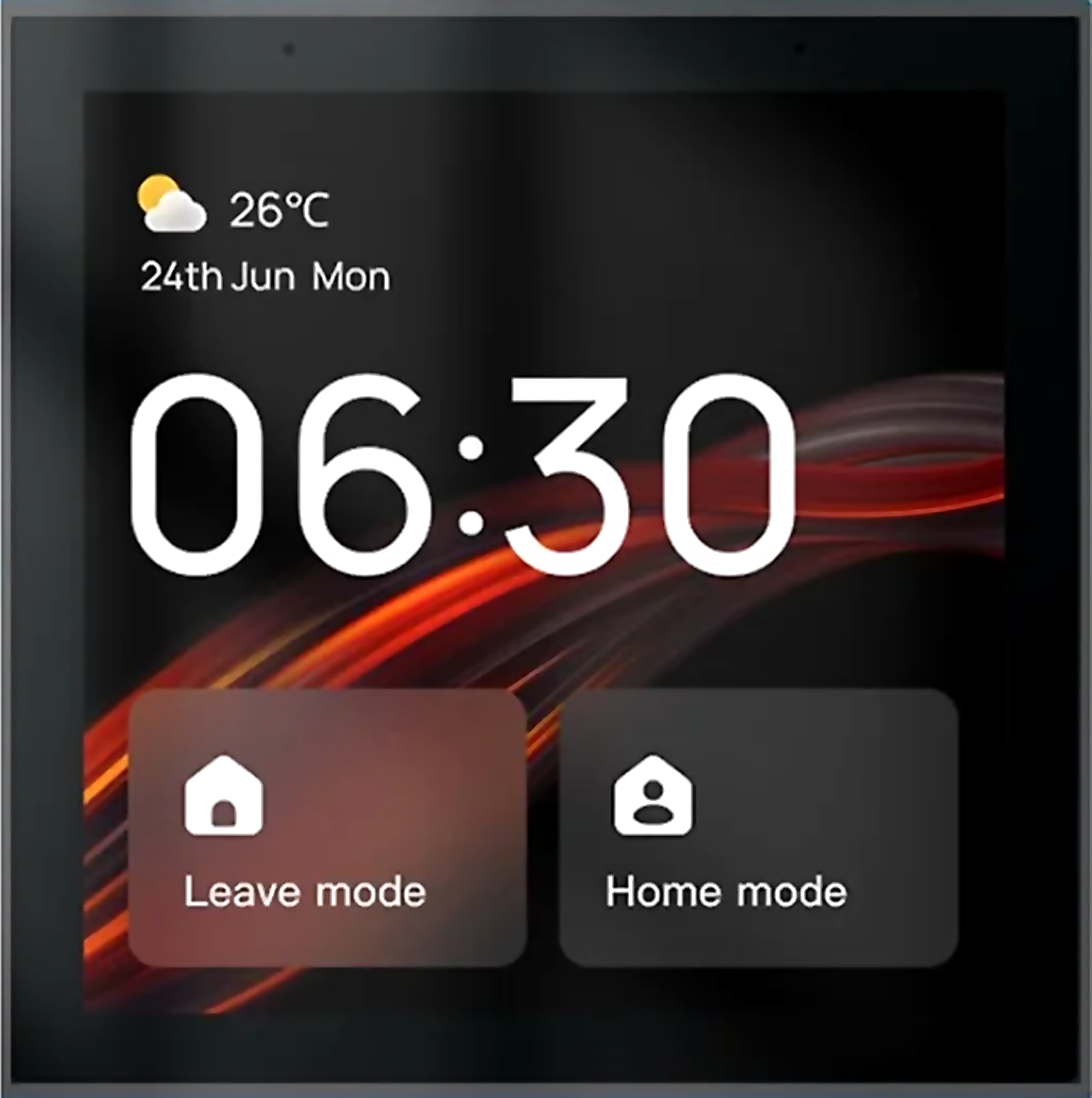
A panel as the gateway. Every Spark control panel has a built-in Tuya Zigbee gateway. The Spark 4-inch Panel Alexa can be gateway and wall screen at once: an 86 × 86 × 10.5 mm Android touch screen with Alexa built in, for lights, curtains, switches, locks and scenes. Our Zigbee vs Wi-Fi smart switch comparison goes deeper.
Smart switches for an apartment: replace them or keep them?
Both routes use the wall boxes you already have: replace the switch, or keep it and add a module behind it.
Replace the switch. The WT-50-B is a flat glass-look touch switch, black with a gold frame (there is a white version too), with one key per lighting circuit in 1, 2, 3 or 4 gang: a 1 gang for a corridor, a 2 gang by the bed for the ceiling light and bedside lamp. Zigbee touch and mechanical-key switches are in the same range.
Keep the switch. If you like your switches, or the landlord wants them to stay, put a module behind each one. The WR-50 Wi-Fi switch module and the ZR-50 Zigbee switch module measure 39.2 × 39.2 × 18 mm and come in 1 to 4 channels; the ZR-50 pairs through a compatible Zigbee gateway. Both add app, voice and timer control while your switches keep working. Check three things first:
- A neutral wire in the box. Both modules require one.
- One channel per circuit. A 2 gang switch with two lights takes a 2CH module.
- The load. Up to 300 W of LED on the 1CH version, 150 W per channel on the others.
Our guide to making normal light switches smart covers modules, the neutral wire and when to replace a switch instead.
Switches, modules and a gateway for a flat
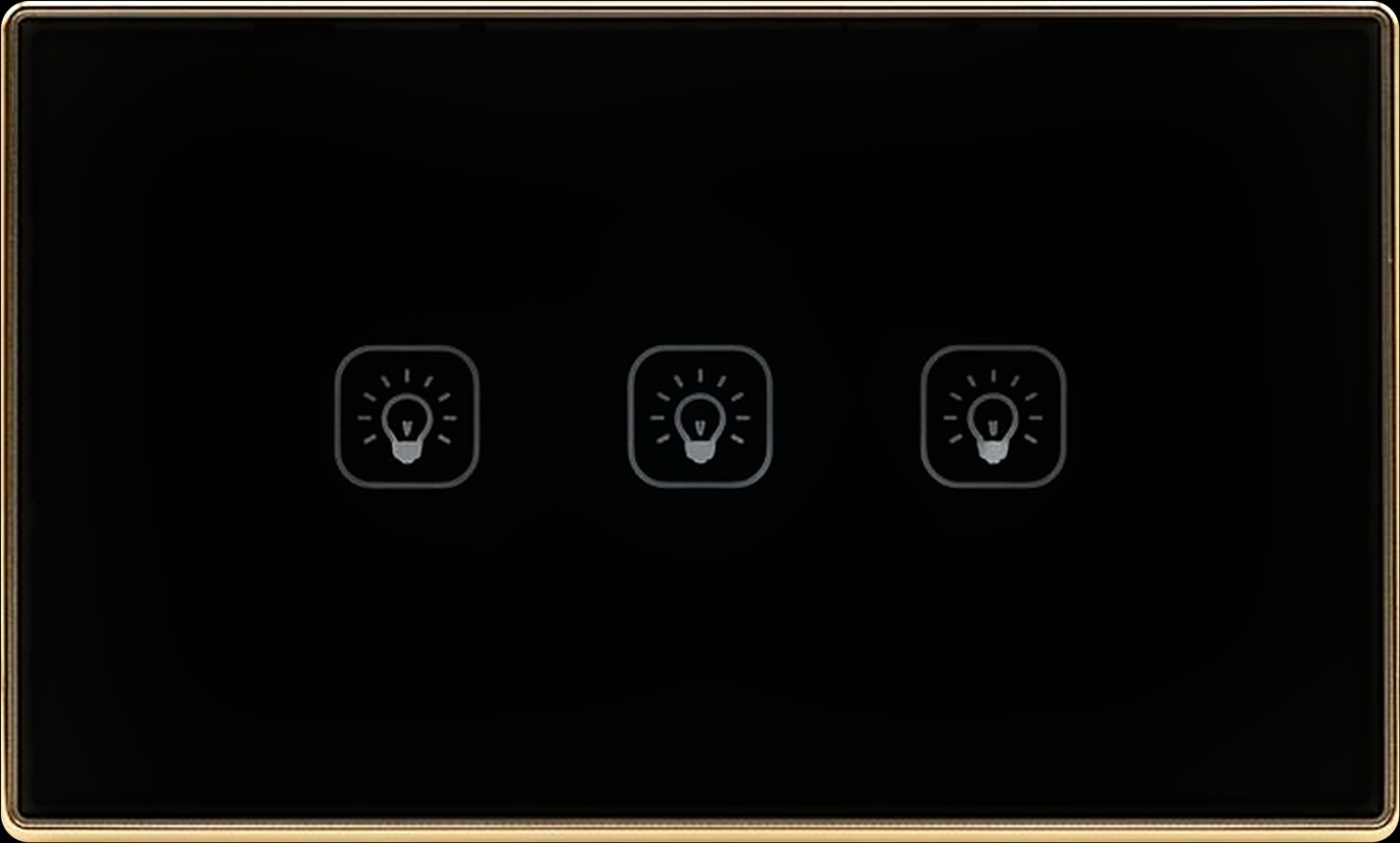
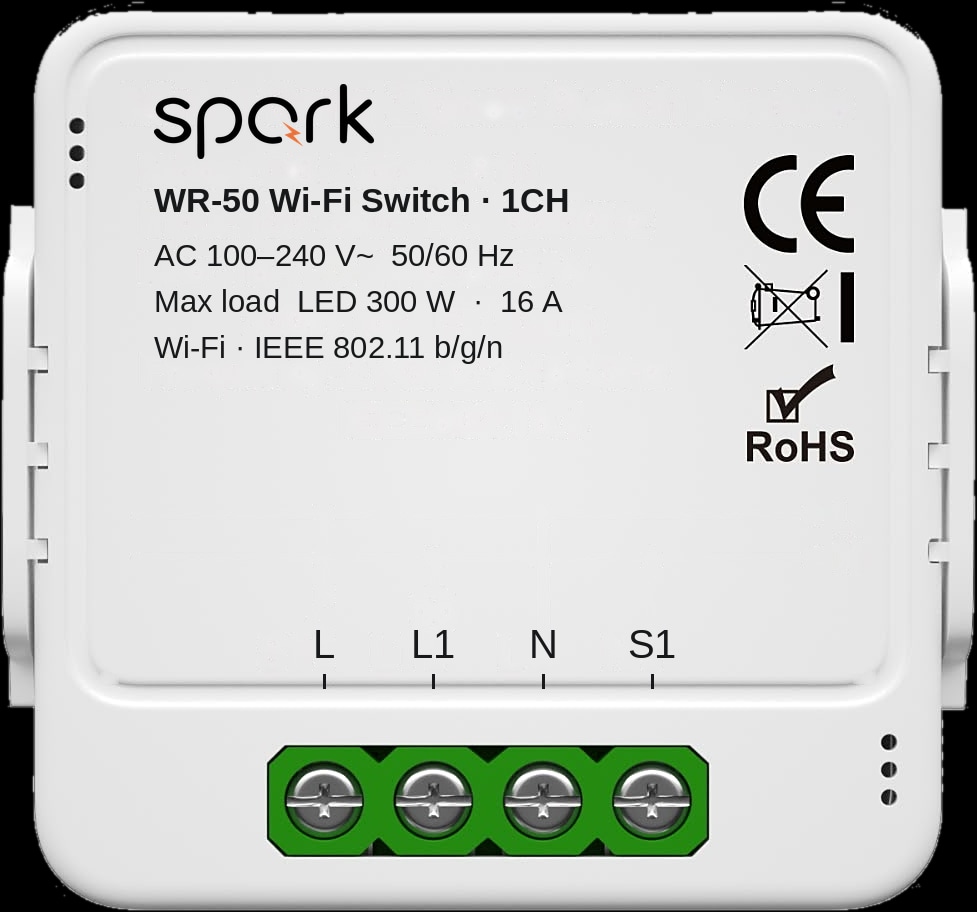
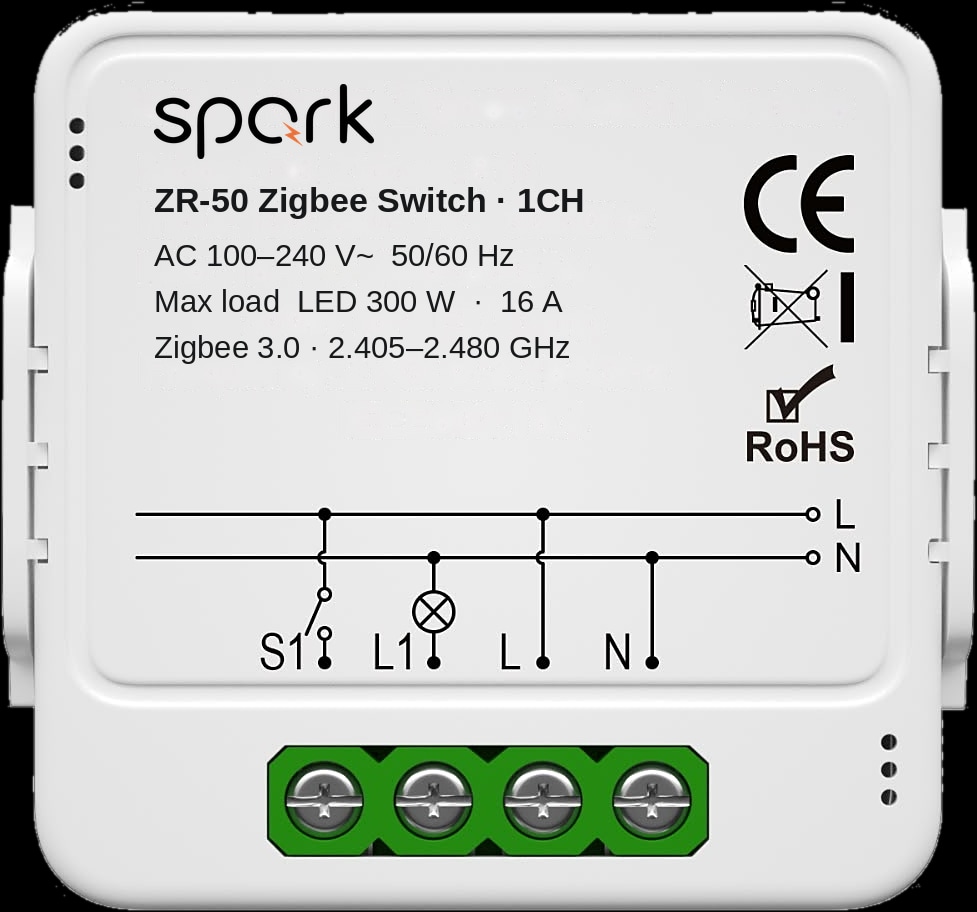
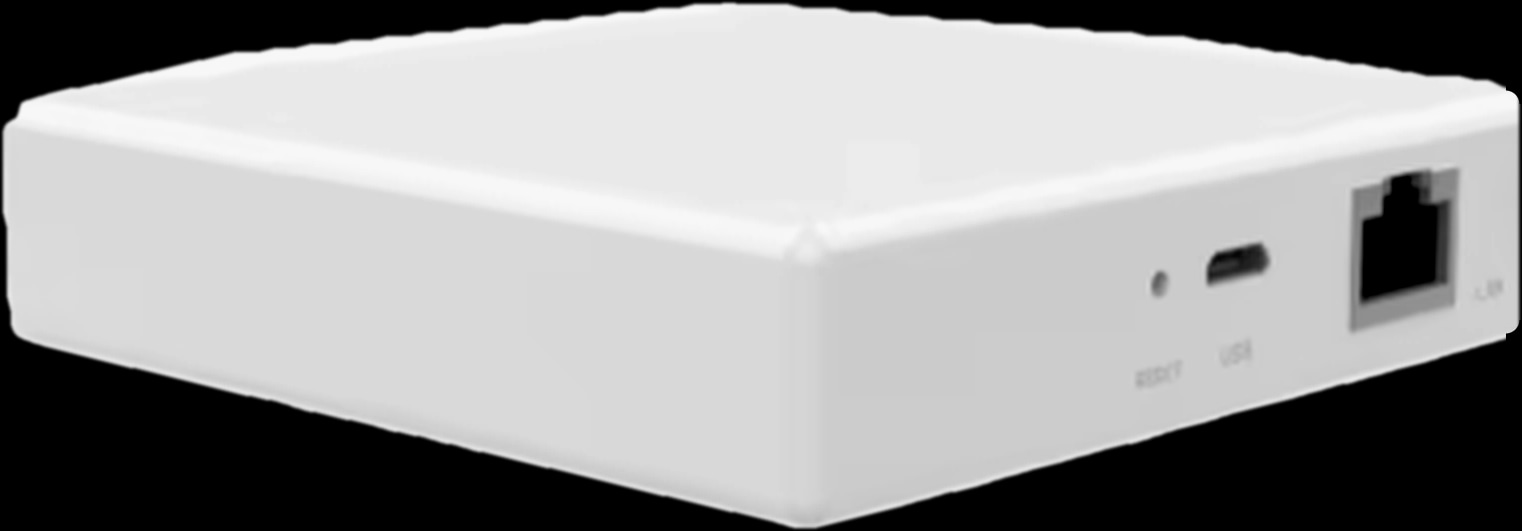
Split AC and curtains with no new wiring
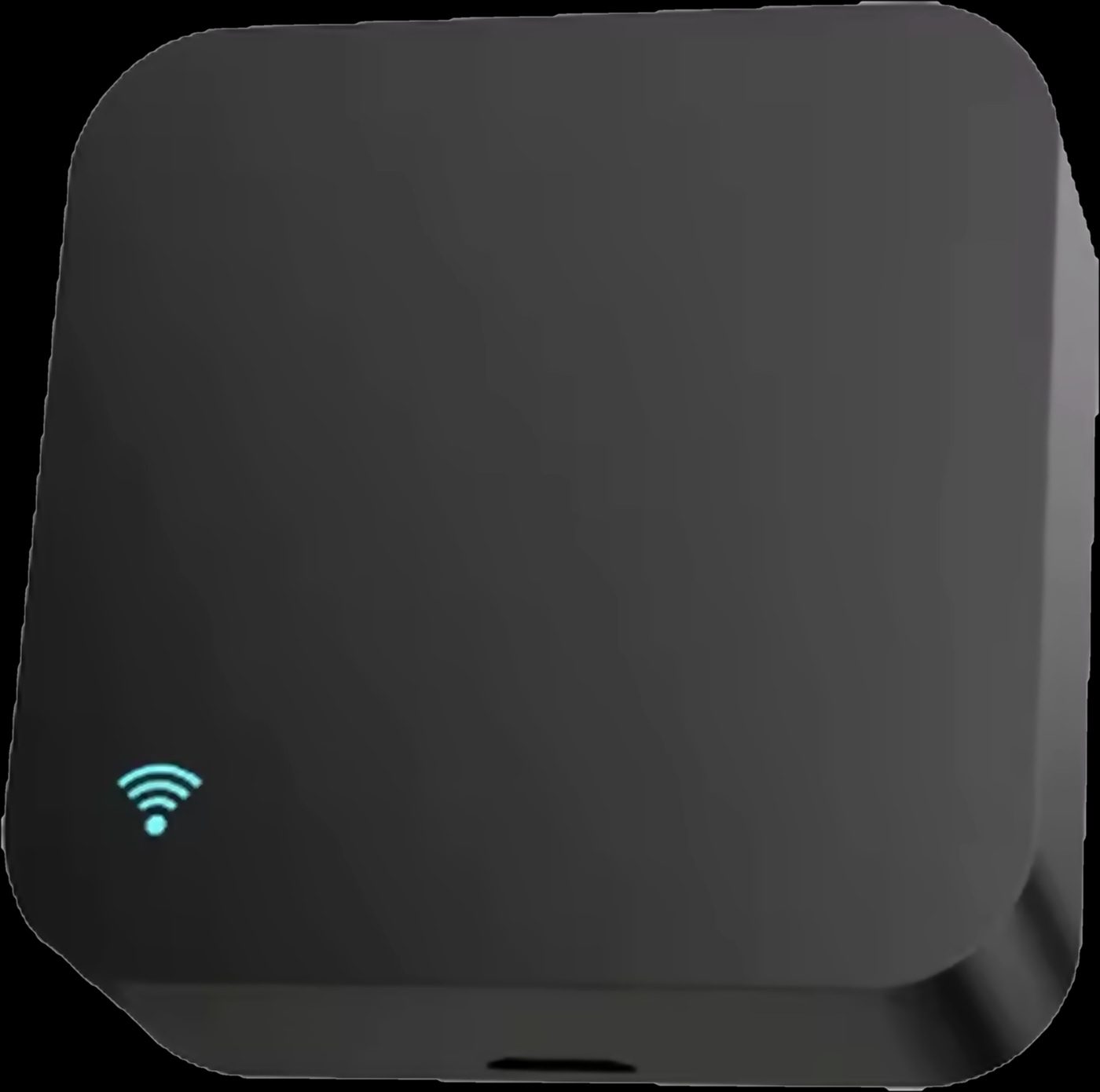
The split AC is the easiest thing in a flat to make smart. The Spark IR-10 smart remote speaks your air conditioner's infrared language: no new AC, no wiring. Control power, temperature, mode and fan speed from the Tuya Smart app, on timers or with Alexa and Google Home.
Place it in clear line of sight of the indoor unit, within 10 m. The Wi-Fi version needs no hub; the Zigbee version joins through a Tuya Zigbee gateway.
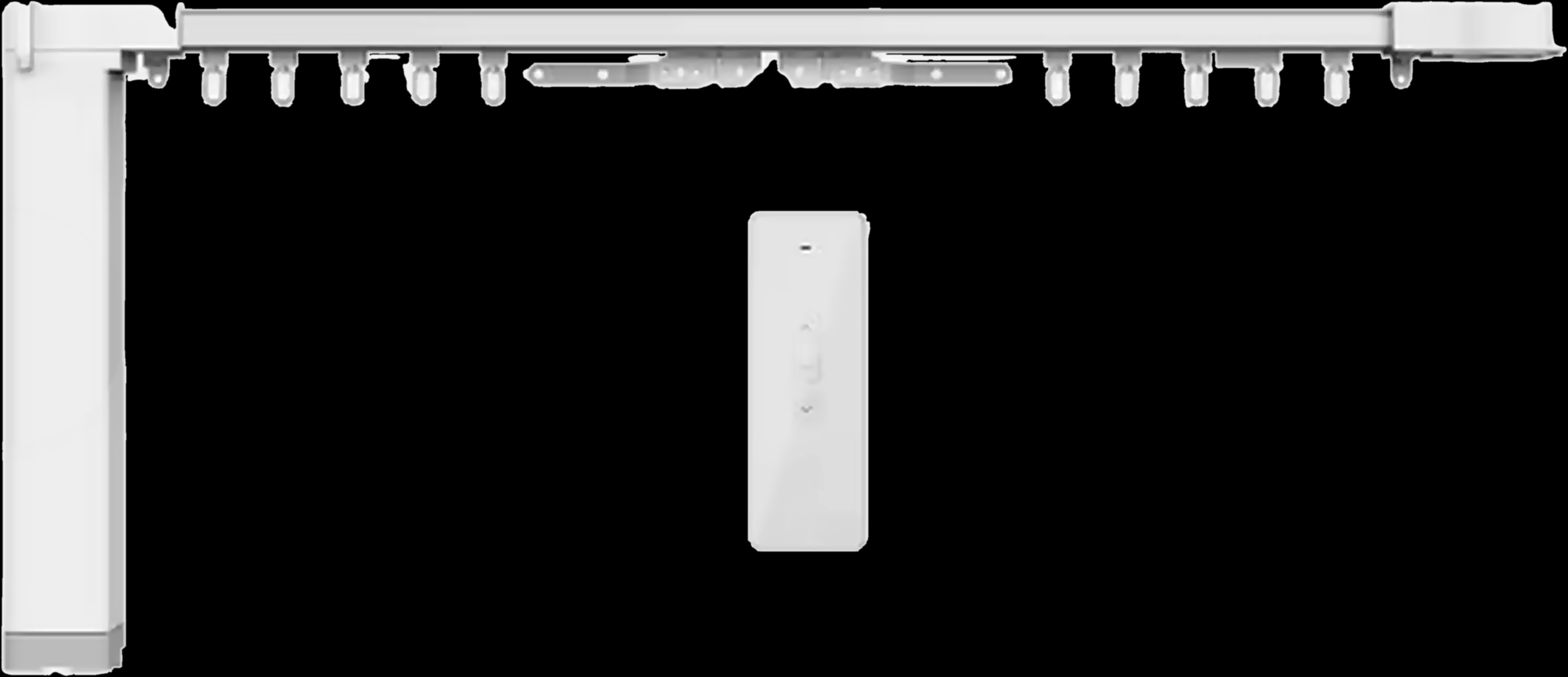
For curtains, the Spark MC-10 curtain system comes as one kit: a quiet motor, a track in 3.2, 4.2, 5.2 or 6.2 m, and a 433 MHz remote. The motor's power cable is 1 m long with an EU plug, so the question in a flat is simple: is there a socket within reach? If not, adding one is an electrician's job. Allow a curtain box deeper than 10 cm for one track, or 20 cm for two.
Open or close them from the app, by voice, with the remote, on a timer or with a gentle pull. For roller, zebra and Shangri-La blinds, Spark also makes a tubular motor.
A smart lock for the apartment door, and the building intercom
A smart lock for the flat door needs no wiring, because Spark smart door locks run on their own batteries. The one condition is that the lock fits your door.
Many apartment doors in Jordan are steel security doors. Spark's SL locks fit security doors with a 6068 mortise lock body: a 60 mm backset and a faceplate 24, 30 or 40 mm wide. For another lock body, or a wooden, glass or aluminium door, see our guide to which smart lock fits which door.
Every Spark lock keeps a mechanical key as a backup and a Type-C port for emergency power from a power bank, and the range runs from fingerprint and card to face and palm recognition. If you rent, agree the change with the landlord and keep the original lock.
The intercom is shared: the entrance station belongs to the building, and your part is the indoor monitor in your flat. Spark indoor monitors are IP monitors that connect to the door station over a network cable, so a Spark partner checks whether one can join your building's system. Our guide to video intercoms for villas and apartment buildings compares the options.
The shared roof tank: reading the level from your flat
You can read your roof tank from inside the flat, on a display on your wall. In many Jordanian buildings each flat has its own tank on the roof, so this saves the climb.
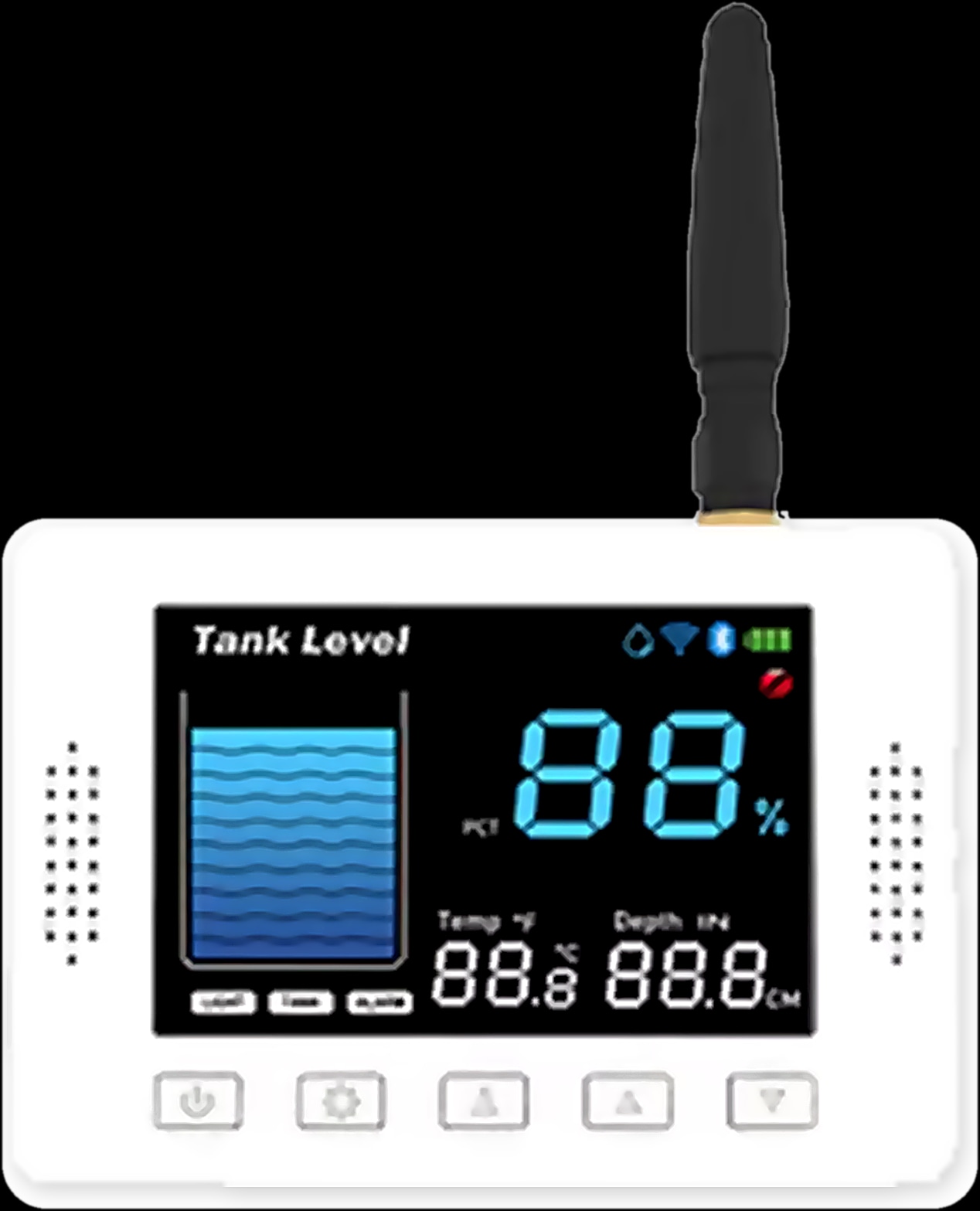
The Spark WL-50 tank level monitor puts an ultrasonic sensor on the tank that measures without touching the water and sends the reading by LoRa radio to a colour display in the flat. Only the display joins your 2.4 GHz Wi-Fi, which matters on a roof your Wi-Fi may not reach. You see the level in the Tuya Smart app too, and a buzzer sounds above Max or below Min.
The sensor needs power at the tank (it has its own 5 V adapter), and the product page doesn't state a range for the radio link, so a Spark partner confirms it reaches your floor. Our water tank level sensor guide compares all three Spark tank sensors.
Apartment smart home ideas, room by room
Use this table as a starting list. The last column says what work each idea needs.
| Room | What you want | Spark product | Wiring work |
|---|---|---|---|
| Front door | Open without a key, answer the entrance | An SL smart lock, a Spark indoor monitor | Lock: none if the lock body fits. Monitor: a partner checks the building system |
| Living room | Lights, scenes, one screen | WT-50-B 3 gang, 4-inch Panel Alexa | Switch: an electrician. Panel: a partner confirms box and power |
| Bedrooms | AC on a timer, curtains on a schedule | IR-10, MC-10 | IR-10: none. MC-10: a socket within 1 m |
| Kitchen | Keep the switches, add app control | WR-50 or ZR-50 | An electrician; neutral required |
| Bathroom, corridor | One light, wall and app | WT-50-B 1 gang | An electrician |
| Roof tank | The water level inside the flat | WL-50 | Power at the tank, the building's agreement |
Start with what you use every day, often the front door, the AC and the main lights. Every Spark device joins the same app, so you can add rooms later.
For the rest of the flat
Smart home for renters and owners: how to plan it
Owners plan freely inside the flat; tenants agree changes first. The order of work is the same:
- 1
List what each room needs
Lights, AC, curtains, the front door and the tank.
- 2
Choose one network
Wi-Fi for a few rooms, or Zigbee through the Hub-Z or a control panel for the whole flat.
- 3
Check boxes, door and sockets
A neutral wire for each module, the lock body, a socket near each curtain motor and line of sight from the IR-10 to the AC.
- 4
Agree the changes
Switches and the lock with the landlord; the roof and the entrance with the building.
- 5
Install, then set up the app
An electrician connects switches and modules. Then add each device to the Tuya Smart app, build scenes and share the home with your household.
Questions people ask about smart homes for apartments
Can you have a smart home in an apartment?
Yes. Most smart devices for a flat use the wall boxes you already have or need no wiring at all. The roof tank and the entrance need the building's agreement.
Do I need a hub for smart switches in an apartment?
Not for Wi-Fi devices: the WT-50-B and WR-50 connect straight to your router. Zigbee switches need a gateway, either the Hub-Z or a Spark control panel, and the ZR-50 module pairs through a compatible Zigbee gateway.
Can I make my switches smart without changing the wiring?
Yes, with a WR-50 or ZR-50 module behind each switch, in the existing box, and your switches keep working. The box needs a neutral wire, and a qualified electrician does the work.
Can I put a smart lock on my apartment door?
Usually, if the lock fits the door. Spark SL locks suit security doors with a 6068 mortise lock body, and other Spark families fit wooden, glass, aluminium and 85-series doors.
Is a smart home a good idea for renters?
It can be, with devices that move with you: the IR-10 needs no wiring and the MC-10 motor plugs into a socket. Agree switches, modules and the lock with the landlord, and keep the originals.
Can I check my roof water tank from my apartment?
Yes. The WL-50 sends the level by LoRa radio from the tank to a display in your flat, and on to the Tuya Smart app. A Spark partner confirms the link reaches your floor.